Charleston Personalities · Book p. 41
The Wife Who Went Away
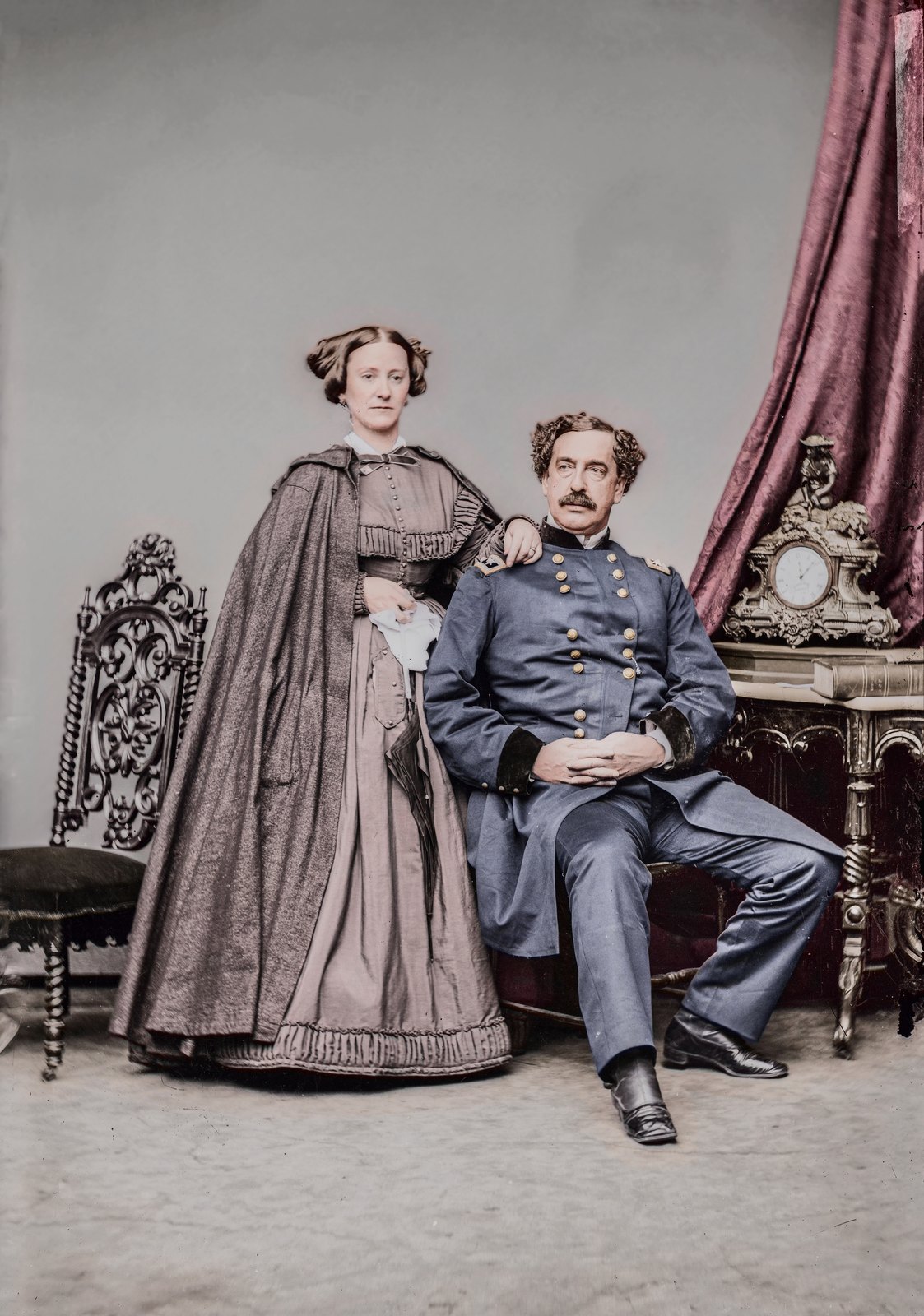
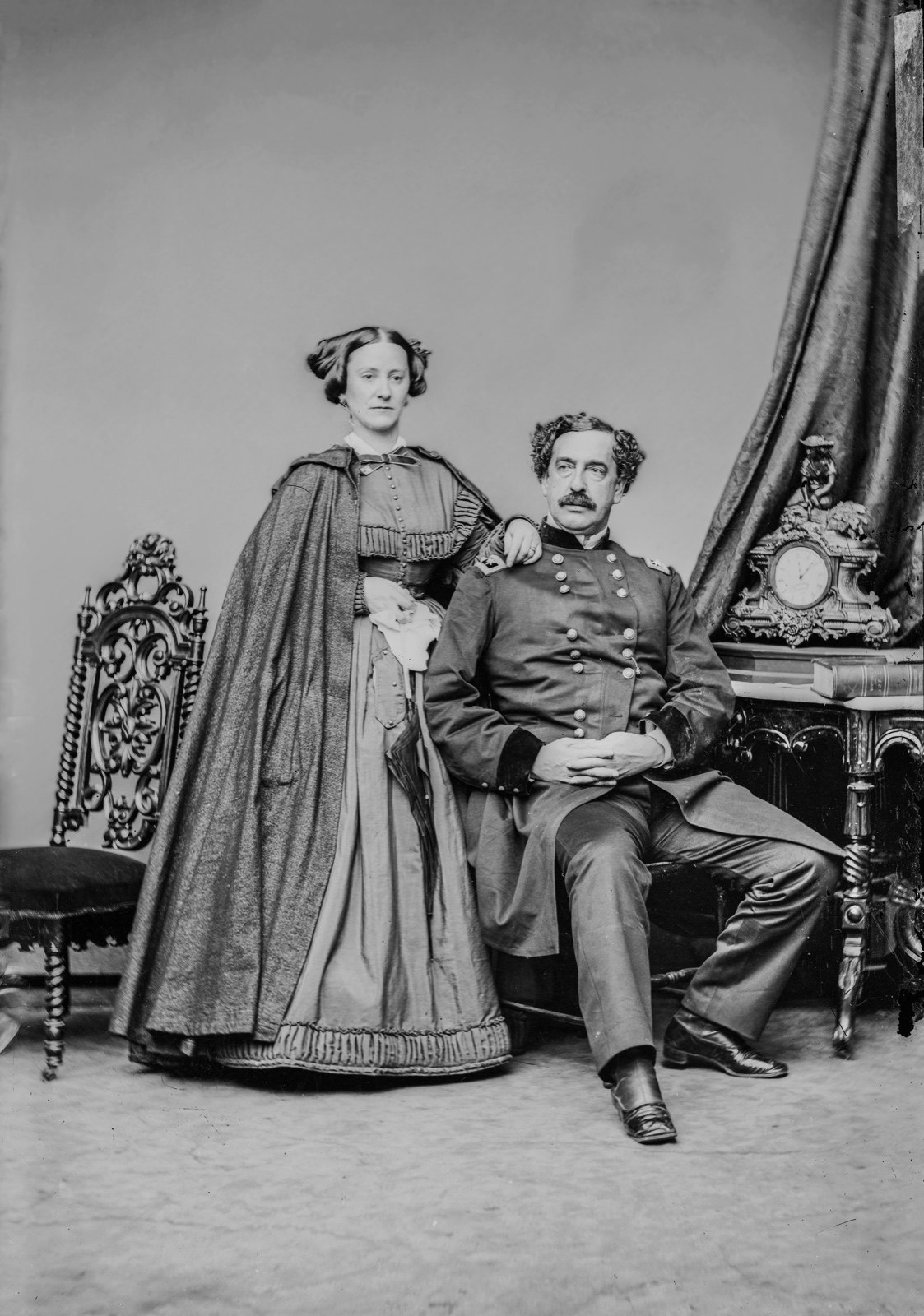
Drag to compareLibrary of Congress
Abner Doubleday did not invent baseball. The story was manufactured in 1907 by a commission with an interest in giving the game an American birthplace, and it has outlived every attempt to kill it. What Doubleday actually was, was a professional soldier in the middle of the war's opening scene.
His grandfather fought in the Revolution; his father was a New York congressman who helped him to West Point, where he graduated in 1842. He fought in Mexico and in Florida before being posted to the Atlantic coastal forts, and the secession of South Carolina found him at Fort Moultrie on Sullivan's Island as second-in-command to Major Robert Anderson. When the garrison slipped across the harbor to Fort Sumter the day after Christmas 1860, Doubleday went with it — and when the fort replied to the Confederate bombardment on the morning of April 12, 1861, it was Doubleday who aimed and ordered the first Union shot of the war.
Like most married officers at army posts, he had his wife with him. After the move to Sumter, Mary Doubleday and the other officers' wives looked for lodging in the city. Or tried to. In his Reminiscences of Forts Sumter and Moultrie in 1860–'61, published in 1876, Doubleday recorded what a boarding-house keeper told her:
that, as the house depended on the patronage of the Southern people for support, she (the landlady) could not undertake to harbor the wives of Federal officers.
Mary Doubleday took the hint. On January 8, 1861, she left Charleston with the other Northern officers' wives, going north three months before the guns opened. The social rupture ran ahead of the military one.
Doubleday finished the war a major general. On the first day at Gettysburg he took over the I Corps when John Reynolds was killed and held the ground west of town through the afternoon.
(June 26, 1819 – January 26, 1893)
The caption as printed in the book
Abner Doubleday (June 26, 1819–Jan. 26, 1893) may not have invented baseball, but he was certainly a soldier. His grandfather had fought in the Revolutionary War. His father, a New York congressman, aided his admission to West Point, from which he graduated in 1842. He fought against Mexicans and Indians (in Texas and Florida) before assignment to Atlantic coastal forts. The secession of South Carolina found him stationed at Fort Moultrie on Sullivan’s Island, second-in-command to Maj. Robert Anderson. The day after Christmas 1860, Robert Anderson moved his garrison quietly across the harbor to Fort Sumter. Captain Doubleday, as married officers at army posts usually did, had his wife Mary with him. After the withdrawal to Sumter, Mary with other officers’ wives found lodging in the city. Or tried to. Mrs. Doubleday was told by a boarding-house keeper, as Abner relates in his Reminiscences of Forts Sumter and Moultrie in 1860–’61 (1876), “that, as the house depended on the patronage of the Southern people for support, she (the landlady) could not undertake to harbor the wives of Federal officers.” Mary Doubleday took the hint. On January 8, 1861, she and other Northern officers’ wives left Charleston, northward-bound.